
Catalyzing a coalition of humanitarian organizations to reduce the cost of treating malnutrition.
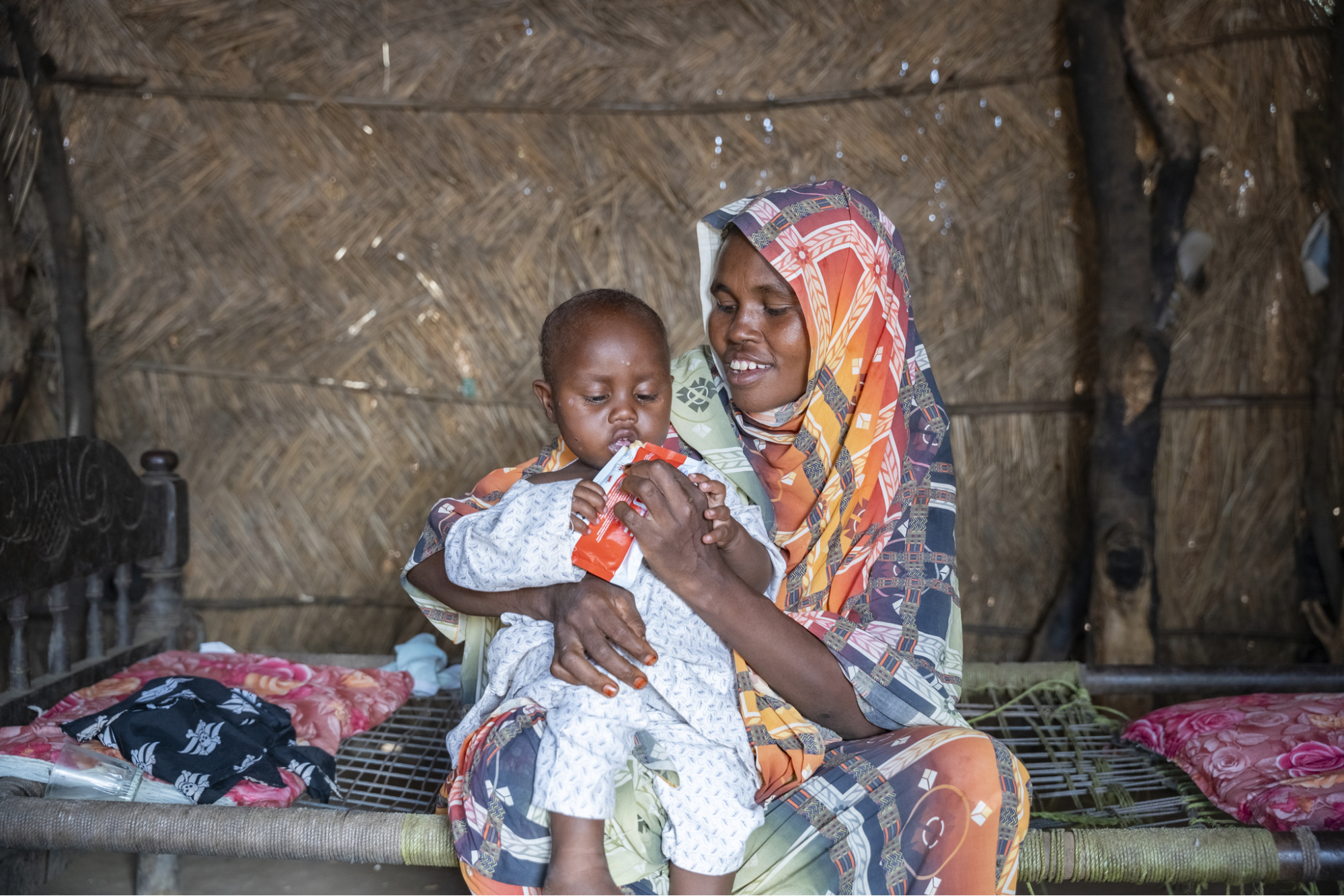
We partnered with the International Rescue Committee on a two-year grant to help a coalition of major humanitarian organizations improve the cost-efficiency of malnutrition treatment programs.
Grant Description
We are partnering with the International Rescue Committee (IRC) as it leads Dioptra, a coalition of major humanitarian organizations working to improve the cost-efficiency of malnutrition treatment. Acute malnutrition affects over 42 million children globally at any given time. Despite the availability of a treatment with a reported cure rate above 90%, only one in three children affected by severe acute malnutrition are estimated to receive the care they need.
Dioptra's member organizations collectively oversee approximately $5 billion in humanitarian and development aid and have committed to measuring, benchmarking, and improving the cost-efficiency of their programs using shared data and open-source tools.
This grant was selected based on the evidence of substantial potential to improve the cost-efficiency of malnutrition and IRC's track record applying cost data to improve its own programming.
IRC's own patient-level data, covering more than 100,000 patients, indicate that acute malnutrition treatment can be delivered at least 30% more cost-efficiently than standard community-based management of acute malnutrition (CMAM), through simplified dosage regimens and cost-informed program adjustments. A cohort study in Mali using a simplified treatment protocol found a 92% overall recovery rate among 27,800 children treated, with lower use of ready-to-use therapeutic food (RUTF) than under standard care. Applying this cost lens to its own programs, IRC's estimated cost per child treated for malnutrition fell from roughly $300 in 2015 to roughly $100 currently.
IRC estimates that a a 20% cost-efficiency gain across the four partner organizations could extend treatment to several hundred thousand additional children each year and, by its own estimate, save 30,000 to 39,000 additional lives annually.